The Power of Purpose
Updated: Apr 7
There’s this idea that as people get older, they will slow down, step back, and maybe start to receive more help than they give. And yes, support matters. At Eastside Friends of Seniors, we also know that older adults have a lot to give. They show up for one another in quiet, meaningful ways. They notice when someone needs a hand. They take time to listen. They offer warmth, wisdom, and genuine care in a way that only comes from lived experience. And it turns out, that matters a lot more than we sometimes realize.
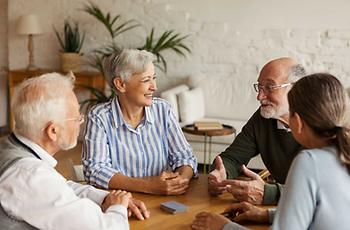
Volunteering, especially among older adults, isn’t just a “nice thing to do.” It actually has real physical and mental health benefits. When someone has somewhere to be, or someone expecting them, that changes things. It can reduce feelings of loneliness, which we know is tied to higher risks of heart disease, cognitive decline, even early death. It can also lower stress, improve mood, and in some cases even help people stay more physically active just by being engaged in the world.
But beyond the data, there’s something more human happening. A sense of purpose. That feeling that you still have something meaningful to offer. That your time, your presence, and your life experience matter.
We see this come to life in so many ways within our community. One example is our Member Advisory Council, where older adults help shape the direction of Eastside Friends of Seniors. They share ideas, offer feedback, and yes, sometimes challenge us in the best possible ways. They are not just participating in the organization—they are helping build it. And that’s powerful.
We are also creating opportunities for people to stay connected in simple, meaningful ways. There is no one way to get involved. It can look like a friendly visit or a phone call, helping at a social event, sharing a hobby or skill, or reaching out to someone who may be feeling a little more isolated. It doesn’t have to be complicated to be meaningful.
Interestingly, when older adults volunteer to help other older adults, there’s often this deeper level of understanding. Less explanations. More empathy. It’s peer-to-peer in a way that feels natural.

Of course, none of this solves everything. There are still real barriers — transportation, health challenges, time, confidence. Some people don’t see themselves as “volunteers” at all. But when opportunities are flexible and welcoming, more people step in than you might expect.
So what does this mean for the broader community? I think it’s a bit of a mindset shift. If we want older adults to feel a sense of purpose, we can’t just create services for them. We need to create space with them. That might look like:
Inviting older adults into decision-making roles
Designing volunteer roles that are adaptable and low barrier
Asking people what they want to contribute, not just what they need
Creating intergenerational opportunities, but also valuing peer connections
And honestly, sometimes it’s simpler than that. It is noticing someone. Asking their opinion. Inviting them in. Purpose doesn’t always come from big things. Many times, it comes from being needed in small, consistent ways. Older adults already have a lifetime of experience, skills, and perspective. The question isn’t whether they have something to offer. It’s whether we’re making room for it.


If you’re into classic games, you have to check out Emulator Games Zone. The Emulator Games run seamlessly in the browser, which is amazing. I’ve spent hours revisiting childhood favorites and even discovering titles I never got a chance to play before. It really takes you back in time!